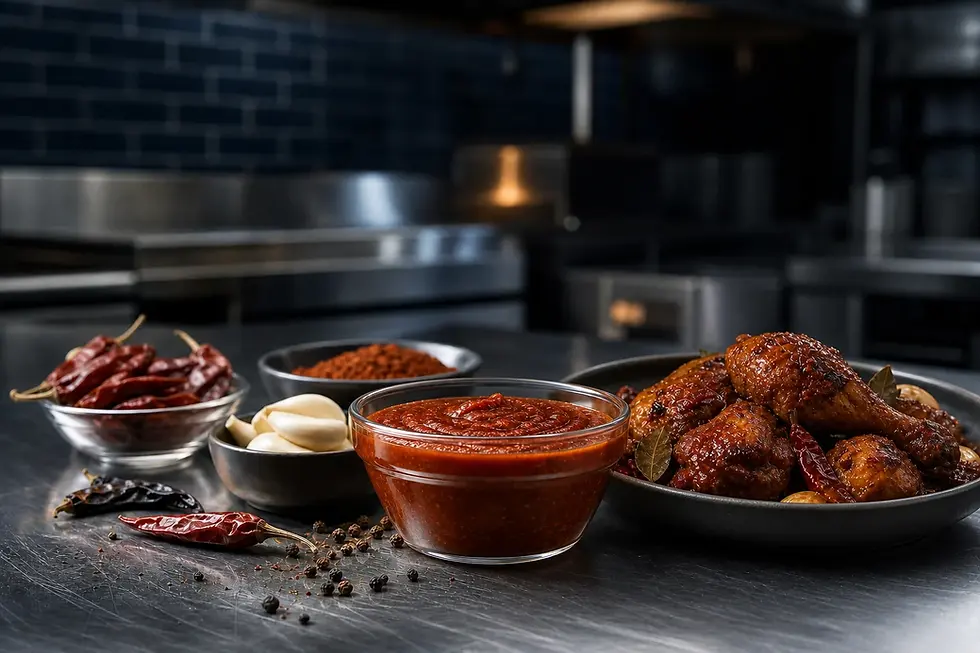
Foodservice trends 2027: The Flavours Shaping menus in NZ and Australia
By Groenz · 4 minute read
Every year we look at what’s landing on menus and supermarket shelves, and what chefs and operators are asking us for. Then we make a call on the foodservice trends that matter for the year ahead.
Last year we said four things would take off in New Zealand and Australia: pickle, fermented flavours like kimchi, sweet heat, and sauce taking centre stage. All four showed up in 2026, on burgers, in big chain launches and in supermarket aisles.
Diners are open to trying new things, too. Datassential’s 2027 Trends Report found 75% of consumers are looking forward to new food and beverage trends next year.
Here’s what we’re seeing for 2027, with ideas you can use straight away.
Is sour the new heat?
After years of chasing spice, more diners are ordering zesty, tangy and sour flavours. Trend forecasters overseas and here at home are calling it at the same time, and we’re hearing it from chefs too.
For chefs, sour is useful. It cuts through richness, freshens up anything fried, and can carry a dish as much as the protein does.
How it’s showing up:
Yuzu in mayo, aioli and dressings
Sumac as a bright finish on meats, dips and bowls
Pickle sticking around on burgers, but sharper and brinier
Try it: our Pickle Burger Sauce works well beyond burgers. Use it in slaw, on fried chicken, or as a dip with fries. And keep an eye out, because we’ve got something new coming early in 2027.

Heat gets (more) specific
Diners still want heat. Now they want to know where it comes from and how it’s made, and menus are naming chillies by origin.
Chilli crisp is a good example. Datassential now calls it a “New Classic”, a trend that’s moved from niche to mainstream.
What we’re watching:
Chilli crisp: crunchy chilli, garlic and oil, spooned over almost anything
Buldak: Korean fire chicken in a gochujang and chilli sauce. A great one for a limited-time special
Salsa negra: a Mexican sauce of charred, dried chillies and garlic, with a deep, smoky finish
Sambal: Southeast Asian chilli paste, turning up on street food menus
Try it: our Korean BBQ Sauce for buldak-style wings, or Chipotle Salsa for charred, smoky heat. If you want something sweeter, Sriracha Honey and Mango Habanero bring heat with a bit of fruit, and they’re a step up from a standard sweet chilli.
Crispy meets creamy
Diners are paying as much attention to how food feels as how it tastes. Crunchy next to smooth is the contrast they’re after.
The easiest way to get that contrast in a busy kitchen is with sauce. A creamy dip next to something crispy does the job with no extra prep.
How it’s showing up:
Creamy dips with fried chicken, wings and loaded fries
Whipped feta, labneh and garlic aioli under crunchy toppings
Chilli crisp, toasted seeds or crispy onions on top for crunch
Try it: our Creamy Aioli, Buttermilk Ranch or Avocado Ranch with fried chicken or loaded fries. Ranch sauce works as a dip, a drizzle and a dressing, which is why it keeps its spot on so many menus.

Global flavours, with more detail
Global flavour is already mainstream here. Diners now want specifics. Menus are swapping “Asian-inspired” for regional names like Sichuan, Levantine and Filipino, and telling the story behind the dish.
Where it’s heading:
Southeast Asian flavours from the Philippines, Malaysia and Indonesia moving into the mainstream
New condiments like banana ketchup, amba and doubanjiang
Korean flavours in familiar formats, from burgers to loaded fries
Try it: our Kimchi Relish, Butter Chicken Sauce, Tzatziki and Chipotle Salsa all bring regional flavour without the prep.

Flavours to watch
Other flavours we’re keeping an eye on in 2027:
Black garlic: food marketing agency MorganMyers named it their 2027 Flavour of the Year. It’s sweet, savoury and full of umami, and we think it’ll catch on here too.
Labneh and sumac: Middle Eastern flavours that bring creaminess and brightness
Dates: back on menus, in both sweet and savoury dishes
Manuka honey: a Kiwi favourite turning up on global trend lists
What this means for foodservice operators: Sauce is the Hero
Some of the biggest chain launches of 2026 were built around a new sauce. Chains are adding more dips, rotating them faster, and using sauce to try bold flavours without changing their core menu.
You can do the same on a smaller scale. A rotating dip or a sauce-led special lets you test a new flavour with your diners, with little risk and no menu reprint.
What makes a new flavour stick
Plenty of new flavours come and go. The ones that stay keep finding new uses. Hot honey is a good example: it’s become a drizzle, a dip, a glaze and a burger sauce.
For foodservice operators, these are the questions to ask before adding a new flavour to the menu. From what we see, the flavours that last have four things in common:
They work across the menu. One sauce that dips, drizzles, glazes and finishes earns its place on the line.
They hold their cost per serve. A flavour that protects margin survives the next menu review.
They’re available all year. Consistent supply and ambient storage mean no gaps when it sells.
They’re easy in a busy service. Ready to use, consistent every time, with no extra prep or training.
That’s what we have in mind when we develop new sauces with our Chef Council: big flavour that works in a busy kitchen.
Sources
Datassential, 2027 Trends Report
MorganMyers, 2027 Food & Flavor Trends Report
FAQs
What are the foodservice trends for 2027?
The big foodservice trends for 2027 are sour and tangy flavours, more specific types of heat, crispy-with-creamy textures, regional global flavours, and sauce-led menu specials. Operators are using sauces and dips to try new flavours without changing their core menu.
What are the biggest flavour trends for 2027?
Sour and tangy flavours, more specific types of heat like chilli crisp and buldak, crispy-with-creamy textures, and regional global flavours, especially Southeast Asian. Black garlic is also tipped as a flavour to watch.
What is the sour flavour trend?
Diners are moving from chasing heat to looking for sharp, zesty flavours like yuzu, sumac, citrus and pickle. Sour cuts through rich and fried food, which makes it useful in sauces and dressings.
What is chilli crisp?
Chilli crisp is a crunchy mix of chilli, garlic and oil. It’s spooned over noodles, eggs, dumplings, pizza and more, and it’s moved from a niche condiment to a mainstream one.
What is black garlic?
Black garlic is garlic that has been slowly aged until it turns black and soft. It tastes sweet and savoury, with deep umami notes.
How can I add 2027 menu trends without extra prep?
Sauce is the simplest way. A new dip, dressing or glaze lets you try a trending flavour on dishes you already make.